Senior cleric: Consolidating military gains at negotiating table favors Iran
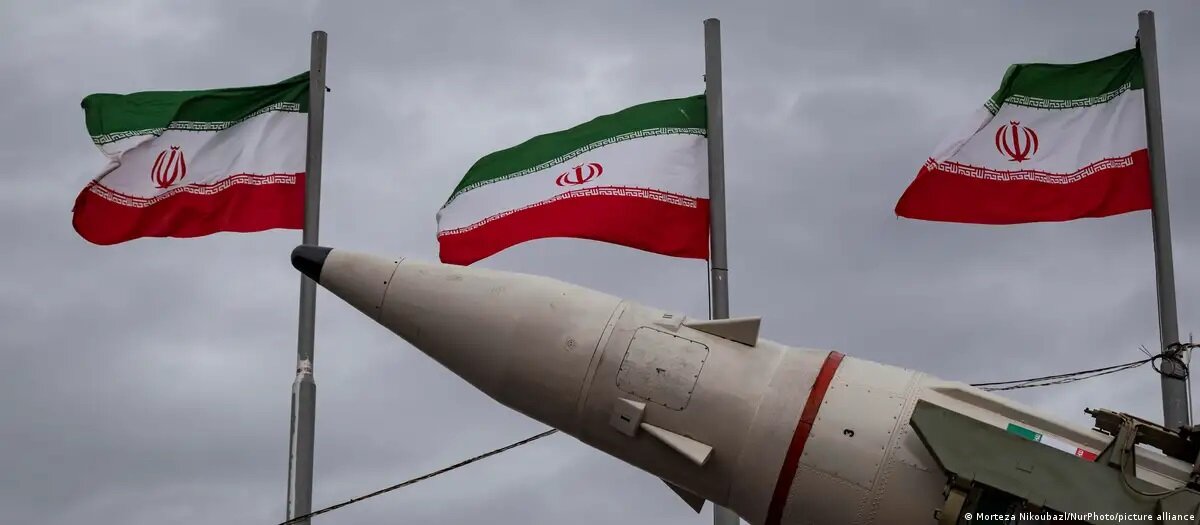
TEHRAN — A senior Iranian cleric has stated that diplomatic success against the US and Israel is inseparable from battlefield strength, praising Iran's recent retaliatory strikes against American military bases in the region.
"What extinguishes the firepower of Washington and Tel Aviv and stabilizes the balance of power in Iran’s favor is launching a fierce missile barrage, securing a military victory, and converting it into political gains at the diplomatic table,” Tehran's interim Friday prayer leader, Hojjatoleslam Mohammad Hassan Abu Torabi-Fard, said.
Delivering the Friday prayer sermon at Tehran's Imam Khomeini Mosalla, he added: "Smart and trusted statesmen in our country understand and uphold the reality that in the arena of battle, power must speak first so that the righteousness of our position takes center stage at the diplomatic table."
Torabi Fard’s assertions align closely with positions previously echoed by senior Iranian political and military officials. Iranian commanders and diplomats have repeatedly stressed that military deterrence is the primary prerequisite for effective diplomacy, asserting that any future negotiations must reflect the tactical realities established on the ground by Iran's armed forces.
When the US and Israel initiated their aggression against Iran in late February, their explicit objectives were to dismantle Iran’s defense capabilities and force a regime change aligned with Western interests. On the opening day of the assault, Iran’s Leader, Ayatollah Seyyed Ali Khamenei, along with several members of his family and top military commanders, was assassinated. Over the course of the 39-day war, thousands of Iranians—a significant portion of them civilians—lost their lives as US and Israeli air force strikes targeted not only military installations but also vital civilian infrastructure, including residential districts, medical facilities, and educational institutions.
However, Iran’s rapid and devastating military response against Israel and American military bases across the region forced Trump into a corner. Facing severe tactical vulnerabilities, the US president unilaterally announced a ceasefire that took effect on April 8. Yet Washington consistently failed to remain committed to the Pakistan-mediated truce, repeatedly violating its terms. The Trump administration subsequently breached a bilateral memorandum of understanding signed remotely with Iranian President Masoud Pezeshkian in June, demonstrating Washington's systemic disregard for diplomatic commitments.
In violation of the MoU, the US has carried out a bombing campaign in Iran, killing dozens of people over the past weeks, most of them civilians. In response, Iranian armed forces—the Islamic Revolution Guard Corps (IRGC) and the Army—have hit American bases in the region, dealing severe blows to US military assets and leading to the deaths of several American service members.
Further in his remarks, Hojjatoleslam Torabi Fard praised Iran’s retaliatory response: "The powerful operations carried out by the IRGC and the Army—resulting in the destruction of aircraft and helicopters at US bases, the crushing of air defense systems, and dozens of enemy casualties—demonstrate that power rests firmly in the capable hands of Iranians."
He added, "Successful military operations, a resolute determination to confront US aggression, preemptive strikes aimed at disrupting enemy military deployments and offensive power, a powerful presence in the strategic Strait of Hormuz, relentless fire from the Axis of Resistance, and the attrition of enemy forces all serve as clear proof that today, the initiative rests firmly in the capable hands of Iranians and our allies".
The Strait of Hormuz—a vital maritime gateway handling roughly 20 percent of global seaborne petroleum trade—serves as a primary pillar of Iran’s defense architecture and regional security strategy. Before the unprovoked US and Israeli aggression initiated on February 28, the waterway remained fully open to international commercial navigation. The subsequent disruption and closure of the strait were the direct consequence of the US military escalation and strikes against Iranian sovereignty. Tehran has asserted its full control and operational authority over passage through the narrow choke point. IRGC naval forces maintain strict oversight across the passage, positioning Iran's military presence as an indispensable defense mechanism against foreign naval encroachment in the Persian Gulf. This exercise of sovereign authority over the strategic passage has sent shockwaves through energy markets worldwide. By disrupting major energy exports, the closure has fueled significant inflationary pressures, driving up energy costs and directly impacting the cost of living for consumers in the United States and across Western economies. Through official channels, Tehran continues to maintain that total security in the Persian Gulf can only be achieved when foreign forces cease military interventions, demonstrating that any economic fallout experienced globally remains the direct outcome of Washington's aggressive posture.
Leave a Comment